
Best Time to Climb Mount Kilimanjaro: A Month-by-Month Guide
Climbing Mount Kilimanjaro is less about whether you can do it and more about when you choose to go.
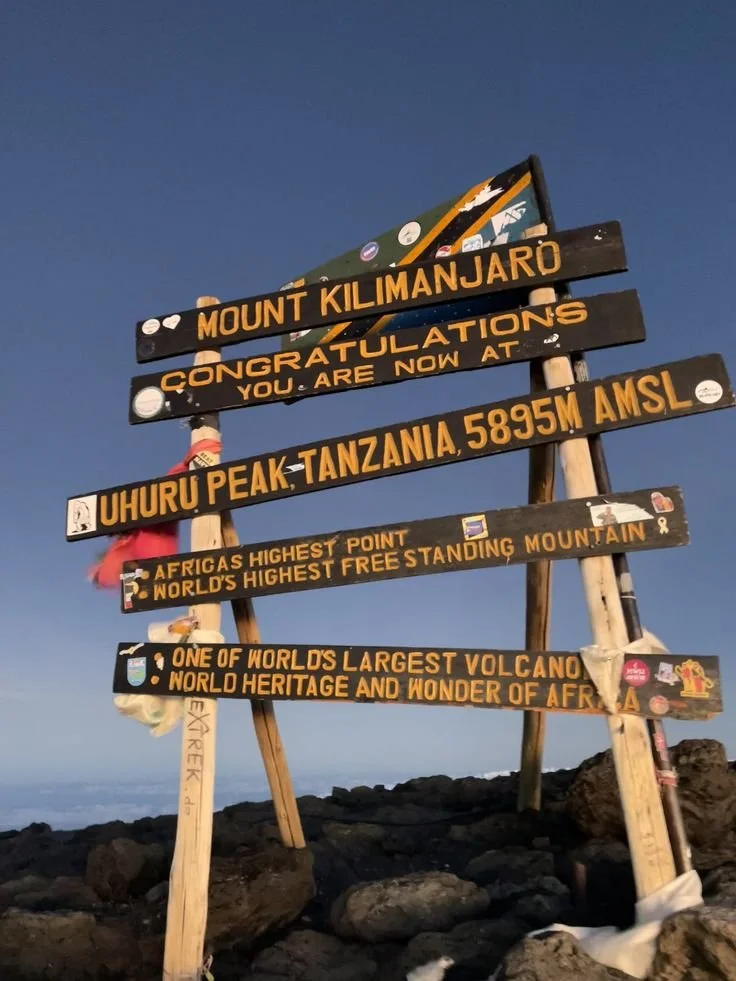
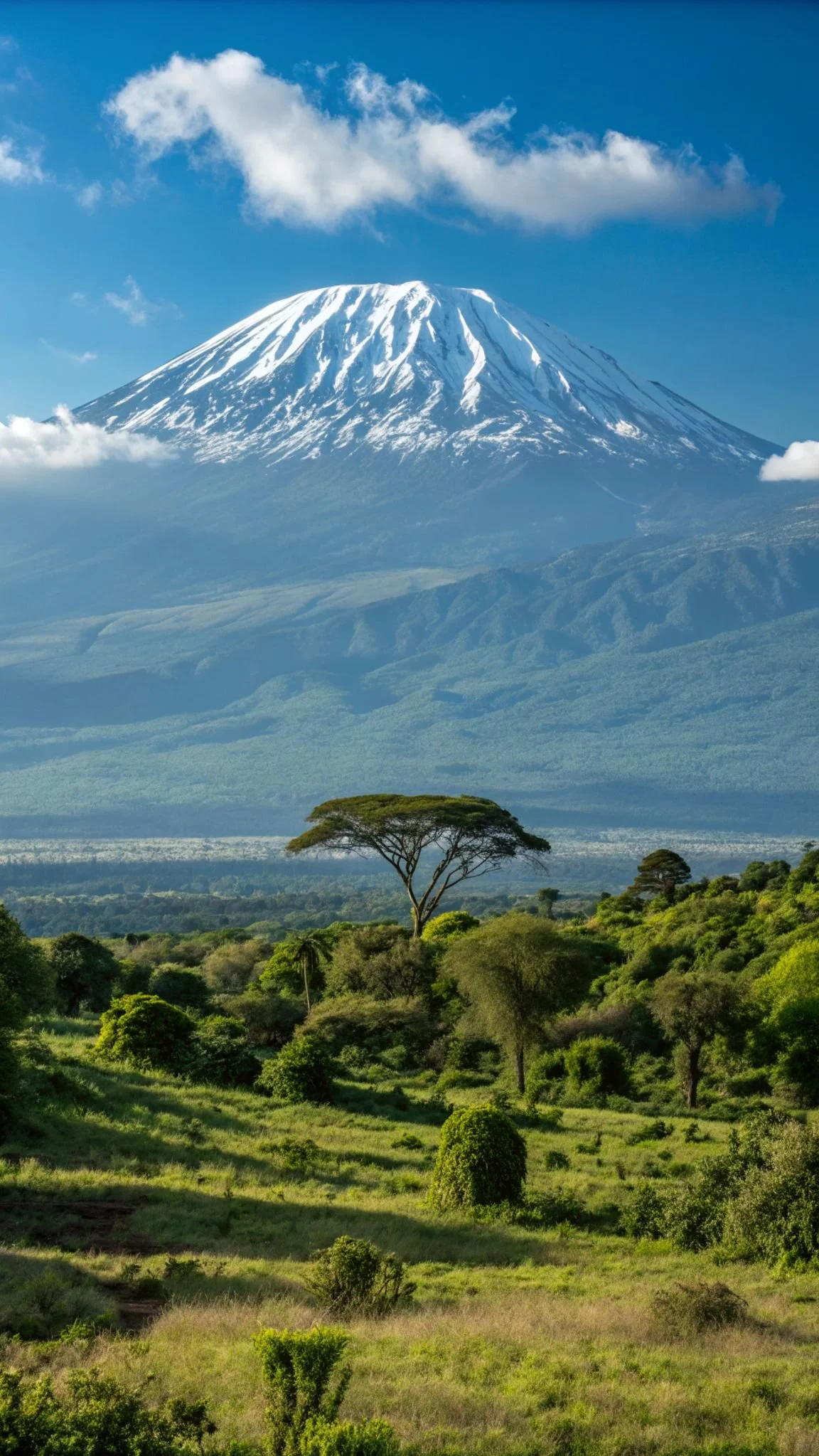
While Kilimanjaro is climbable year-round, the experience varies significantly depending on the season — from weather and trail conditions to crowd levels and visibility. Choosing the right time can make the difference between a challenging but rewarding journey and one that feels unnecessarily hard.
This guide breaks down the best time to climb Kilimanjaro, month by month, so you can decide what aligns with your body, expectations, and sense of adventure.
Understanding Kilimanjaro’s Seasons (at a glance)
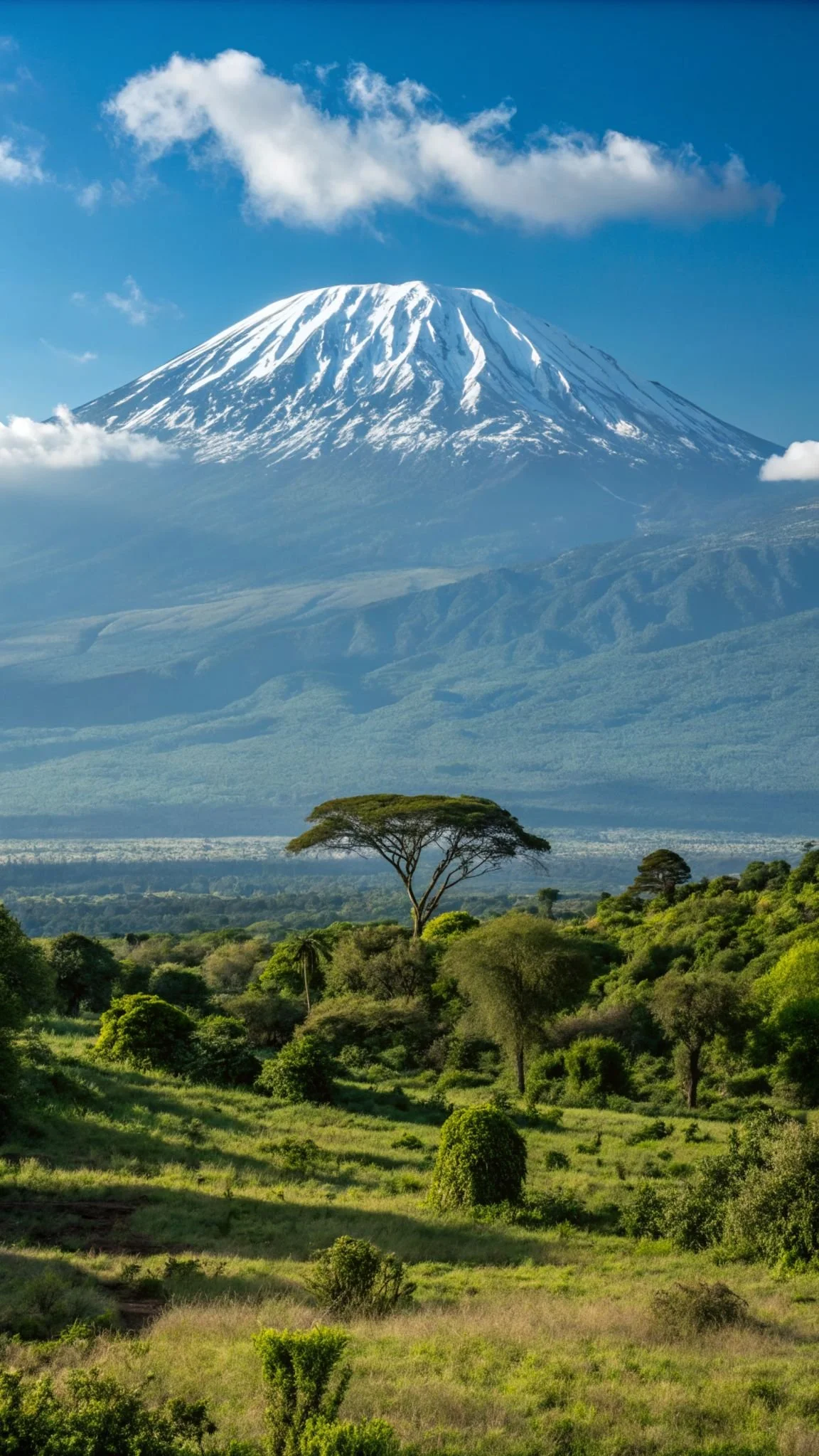
Kilimanjaro sits near the equator, but its altitude creates distinct climate zones. Weather patterns are shaped mainly by dry seasons and rainy seasons rather than temperature extremes.
Dry seasons (most popular)
January to early March
June to October
Rainy seasons
April to May (long rains)
November (short rains)
Month-by-Month: What to Expect
January – March: Clear skies & quieter trails
This is one of the best times to climb.
Why people love it
Generally dry and stable weather
Clear summit views
Fewer climbers than peak summer months
Things to note
Nights are cold at altitude (this is true year-round)
January and February are especially popular with experienced trekkers seeking quieter conditions
Best for: First-time climbers, photographers, those who prefer calmer trails
April – May: Rainy season (not ideal for most)
These months bring the long rains.
What changes
Wet, muddy trails
Cloud cover reduces visibility
Fewer groups on the mountain
Why some still choose it
Solitude
Lower demand (sometimes lower costs)
Best for: Experienced trekkers who don’t mind rain and want near-empty routes
June – August: Peak season & classic conditions
This is the most popular time to climb Kilimanjaro.
Why it’s popular
Dry weather
Excellent visibility
Reliable trail conditions
Things to consider
Busier routes
Cooler temperatures, especially at night
Best for: Those who want predictable conditions and don’t mind sharing the trail
September – October: A sweet spot
Often considered a hidden gem period.
Why it works well
Still dry
Slightly fewer crowds than July/August
Comfortable climbing conditions
Best for: Climbers looking for balance — good weather without peak congestion
November: Short rains
Rainfall is usually lighter and more sporadic than in April–May.
What to expect
Occasional rain showers
Variable visibility
Fewer climbers
Best for: Flexible travelers who don’t mind adapting plans
December: Festive & transitional
December sits between rainy and dry seasons.
What to know
Weather improves toward late December
Popular with holiday travelers
Can book up quickly
Best for: Holiday climbers and end-of-year adventurers
So… when is the best time?
There’s no single answer — only what’s best for you.
Choose January–March if you want:
Quieter trails
Clear views
A calmer pace
Choose June–October if you want:
Maximum weather reliability
A social, energetic climbing atmosphere
Avoid April–May unless:
You’re experienced
You’re prepared for rain
Solitude matters more than comfort
One more thing most guides don’t tell you
The best time to climb Kilimanjaro is also influenced by:
Route choice
Group size
Acclimatization schedule
Pace and support
A well-designed climb in a “less ideal” month can still be safer and more enjoyable than a rushed climb during peak season.
Planning your Kilimanjaro climb
At Celebrate Africa Tours, we curate small-group, well-paced Kilimanjaro experiences that prioritize safety, acclimatization, and connection — both to the mountain and to the people you climb with.
If you’re considering a climb and want guidance on timing, routes, or readiness, we’re happy to help you think it through.